Frequently Asked Questions
What is a Yagya?
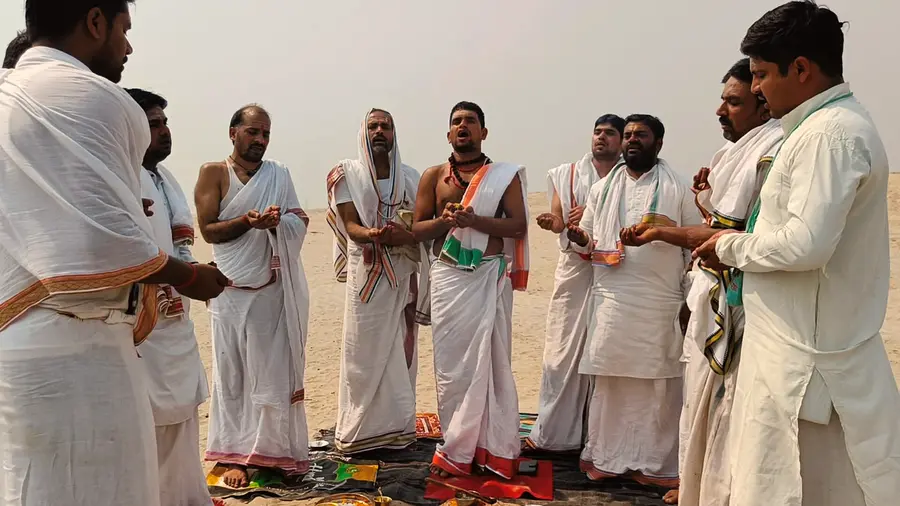
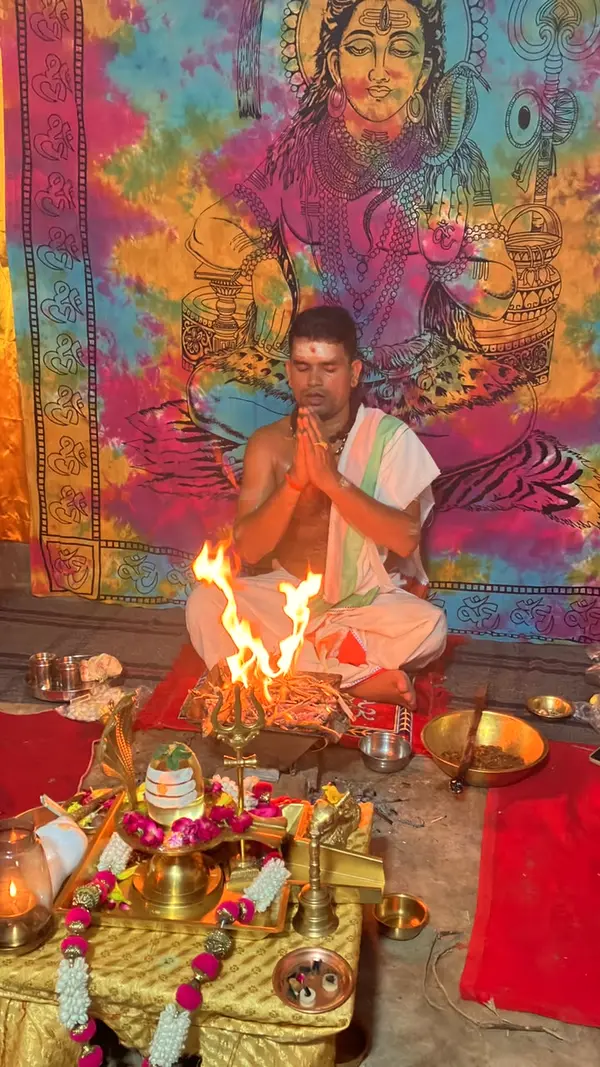
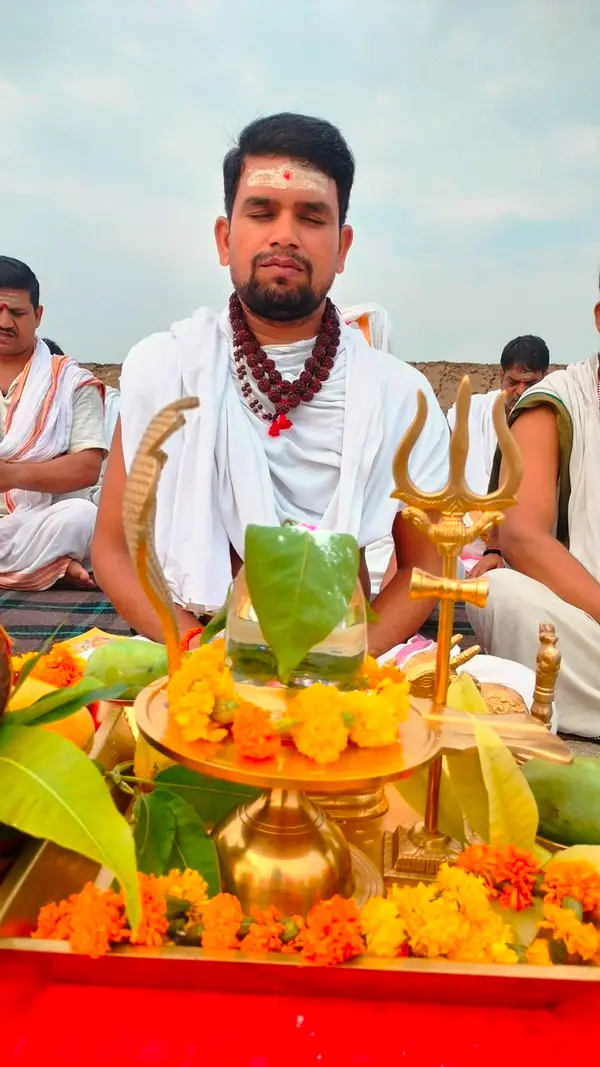
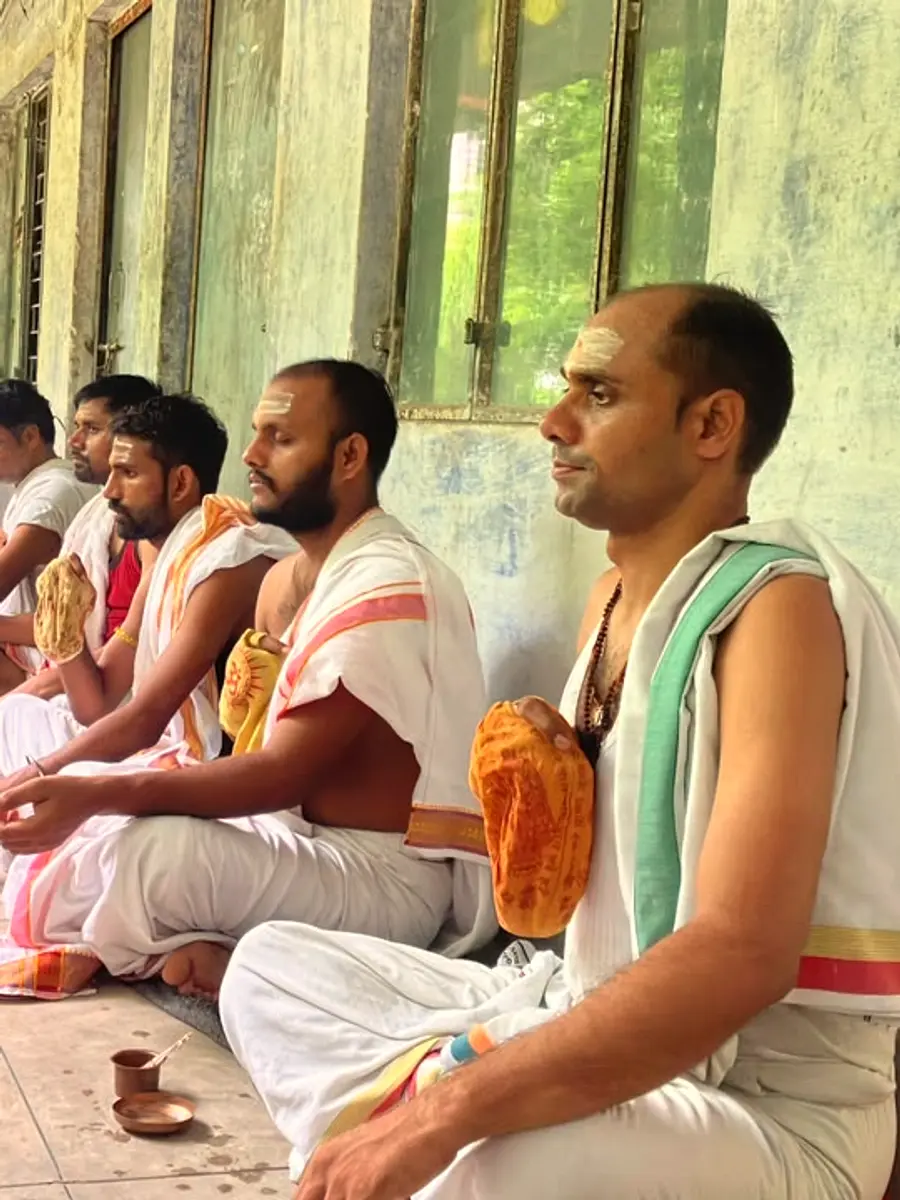
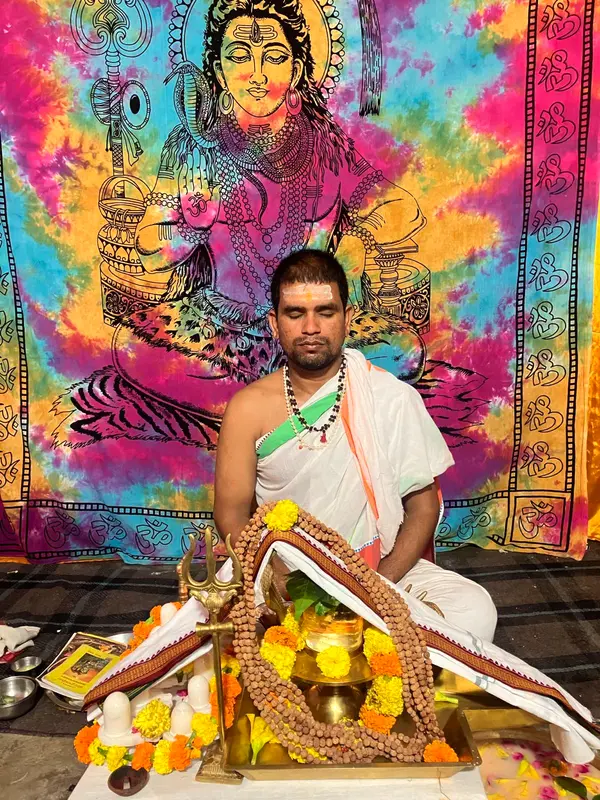
Yagya, also known as Homa or Havan, is one of the oldest living spiritual traditions in the world. Mentioned throughout the Vedas, it is regarded as a sacred offering through which human beings express gratitude to the Divine and seek harmony with the natural and cosmic order. A Vedic Yagya is performed by offering sacred substances into a consecrated fire while qualified priests recite precise Sanskrit mantras preserved through the Guru–Shishya tradition. Each Yagya is dedicated to a specific purpose and performed according to established scriptural procedures by experienced Vedic priests.
How do I know which Yagya is appropriate?
You are welcome to contact us via WhatsApp regarding choosing the appropriate Yagya according to your birth chart and upcoming festivals and ceremonies. Recommendations may include the performance of specific Vedic Yagyas prescribed according to the individual’s horoscope, based on analysis through Jyotish. An experienced Jyotish practitioner evaluates the complete birth chart before recommending appropriate Vedic remedies, which may include Yagyas, mantra, charity (Dana), devotional practices (Bhakti), fasting, or other traditional spiritual disciplines.
Can I participate from another country?
Yes. Participation is available both in person at Lakshmi Narayan Ashram in Prayagraj and remotely through Sankalpa (personal intention), allowing devotees from around the world to receive the blessings of these sacred Vedic ceremonies. Our doors are open to all who approach with sincerity, regardless of nationality, culture, or religious background. For international enquiries, you are also welcome to contact us by email.
What is Sankalpa?
Sankalpa is the Vedic tradition of offering prayers on behalf of a devotee who is unable to be physically present. After your registration has been received, you will receive detailed information regarding the ceremony or consultation, preparation guidelines, and, where applicable, instructions for remote participation through Sankalpa.
How should I prepare before a ceremony?
Preparation for a Vedic Yagya begins with a sincere intention (Sankalpa) and a respectful state of mind. While the ceremony is performed by qualified Vedic priests, participants are encouraged to prepare themselves physically, mentally, and spiritually. Whenever possible, take a bath or shower before the ceremony and wear clean, modest clothing. Spend a few moments in quiet reflection or prayer, setting your personal intention for the Yagya, and maintain a calm and respectful atmosphere during the ceremony.
Some Yagyas are traditionally accompanied by specific observances, such as fasting (Vrata), abstaining from alcohol and non-vegetarian food, mantra recitation, or other spiritual disciplines. If any special preparation is recommended for the Yagya you have registered for, these instructions will be provided in advance.
If you are participating remotely, you may prepare a clean and peaceful place in your home, light a candle or ghee lamp if you wish, and join the ceremony with devotion and focused attention. The most important preparation is sincerity, faith, and openness to receive the blessings of the sacred ritual.
What information is required for a Jyotish consultation?
For an accurate Jyotish consultation, the following birth details are required: full name, date of birth, exact time of birth, and place of birth (city and country). If the exact birth time is unknown, please let us know when making your enquiry – a consultation may still be possible, although certain areas of analysis may be limited.
Depending on the purpose of the consultation, you may also be asked to provide additional information, such as your current questions, significant life events, or the birth details of a spouse, child, or family member for compatibility or family analysis. All personal information is treated with strict confidentiality and is used solely for the purpose of preparing your Jyotish consultation.
Are Yagyas performed according to my birth chart?
Yes. Personal Yagyas may be arranged according to individual birth charts and spiritual needs. Recommendations from a Jyotish consultation may include the performance of specific Vedic Yagyas prescribed according to the individual’s horoscope. An experienced Jyotish practitioner evaluates the complete birth chart before recommending appropriate Vedic remedies, which may include Yagyas among other traditional spiritual disciplines.
Can ceremonies be arranged for family members?
Yes. The activities of the Ashram include guidance for personal and family life. Family relationships play a central role in the Vedic tradition, and consultations are available that help illuminate karmic connections within the family. Ceremonies such as the Pitru Yagya for honouring ancestors and strengthening the blessings of the family lineage, and the Santan Gopal Yagya, may also be arranged according to individual birth charts and family needs.
How are donations used?
For thousands of years, Vedic temples and Ashrams have been sustained through Dana (generosity) and Seva (selfless service). Your contribution helps preserve authentic Vedic traditions and supports daily temple worship, the performance of Vedic Yagyas, care for priests and students, preservation of Sanskrit learning, educational programmes, charitable activities, and the maintenance and development of the Ashram. Every donation, regardless of its size, contributes to the continuation of a spiritual heritage that has been preserved for thousands of years.
If your question isn’t answered here, contact us and our team will be pleased to assist you personally.