
What Is a Yagya?
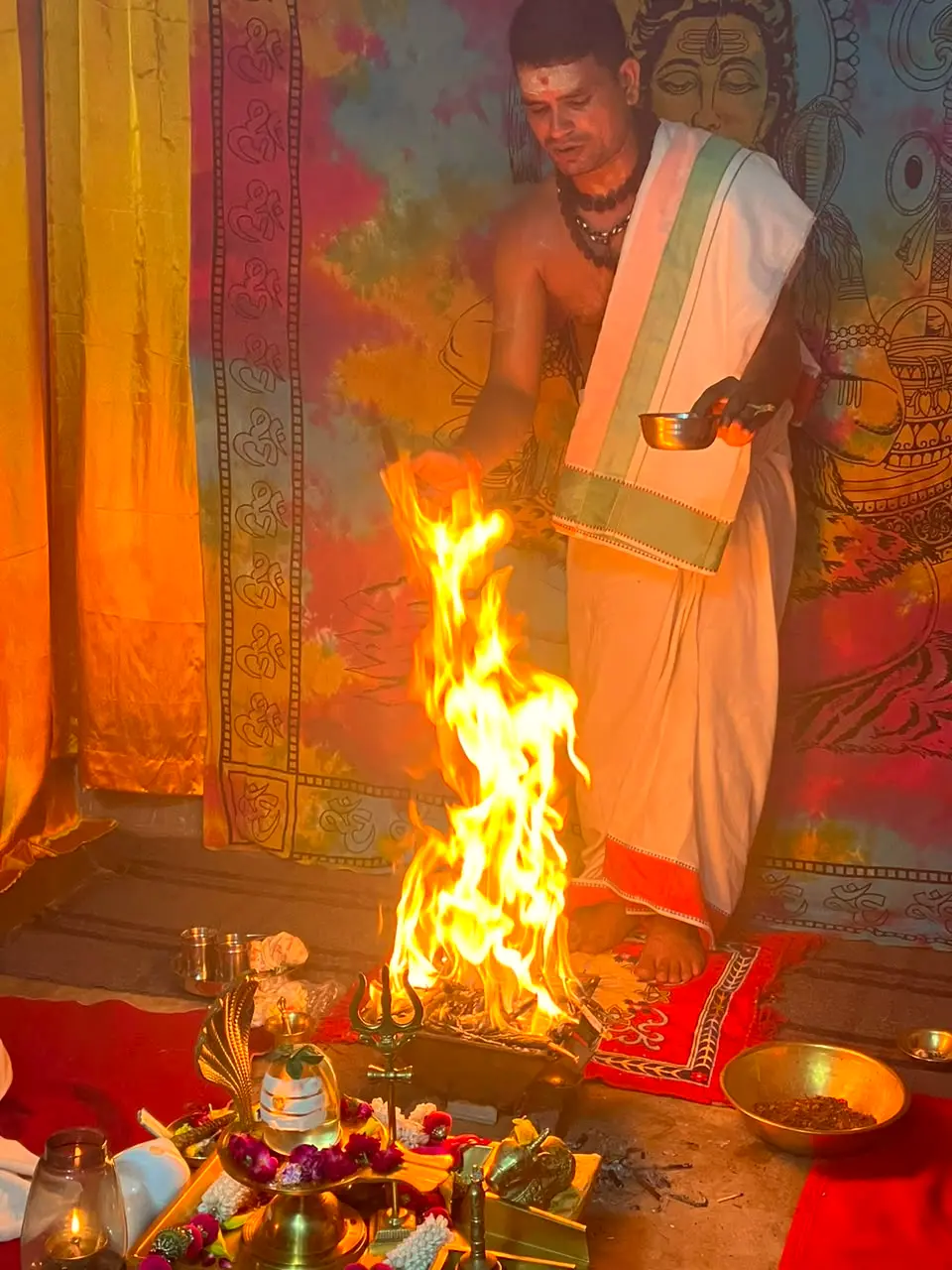
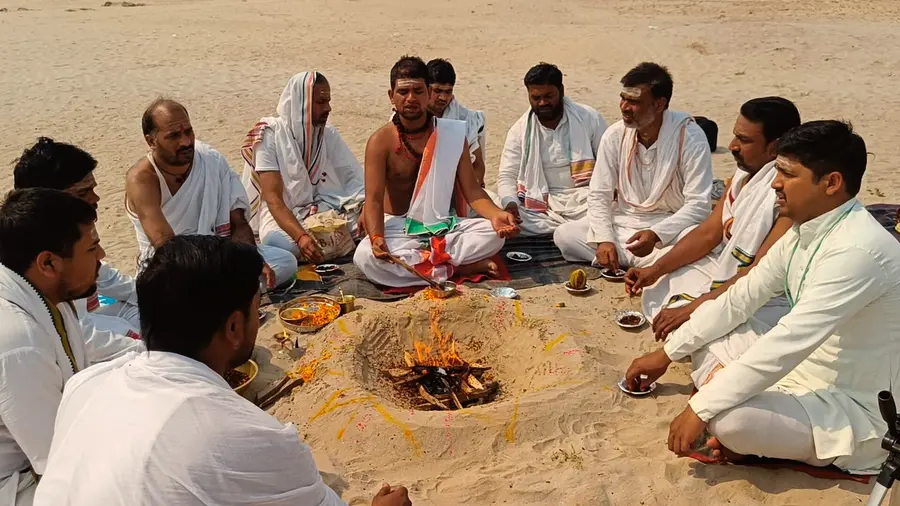
Yagya, also known as Homa or Havan, is one of the oldest living spiritual traditions in the world. Mentioned throughout the Vedas, it is regarded as a sacred offering through which human beings express gratitude to the Divine and seek harmony with the natural and cosmic order.
A Vedic Yagya is performed by offering sacred substances into a consecrated fire while qualified priests recite precise Sanskrit mantras preserved through the Guru–Shishya tradition. Each element of the ceremony – the fire, the mantras, the offerings, and the prayers – possesses symbolic as well as spiritual significance.
Each Yagya is dedicated to a specific purpose and performed according to established scriptural procedures by experienced Vedic priests.
What Is a Dosha?
Common Planetary Doshas in Jyotish
Classical Jyotish recognises numerous Doshas – planetary combinations or karmic influences that may indicate challenges or areas requiring greater awareness and spiritual effort. Their influence is always interpreted within the context of the entire birth chart.
- Mangal (Kuja) Dosha – marriage, relationships, compatibility, and family life.
- Kaal Sarp Dosha – karmic obstacles, transformation, and life challenges associated with Rahu and Ketu.
- Pitru Dosha – ancestral karma, family lineage, and inherited karmic patterns.
- Guru Chandal Dosha – wisdom, education, ethics, spiritual understanding, and guidance.
- Shrapit Dosha – unresolved karmic influences and lessons from past actions.
- Nadi Dosha – marriage compatibility, health, and family continuity.
- Bhakoot Dosha – emotional compatibility, prosperity, and marital harmony.
- Gana Dosha – temperament, personality compatibility, and relationships.
- Grahan Dosha – afflictions involving the Sun or Moon caused by Rahu or Ketu.
- Kemadruma Dosha – emotional isolation, instability, or loneliness.
- Daridra Dosha – financial challenges and material instability.
- Shakata Dosha – fluctuating fortune, success, and setbacks.
- Vish Dosha – emotional disturbances and inner conflicts.
- Chandra Dosha – mental and emotional well-being.
- Surya Dosha – authority, confidence, vitality, and relationship with the father.
- Shani Dosha – delays, responsibilities, discipline, and perseverance.
- Rahu Dosha – obsessions, illusions, unexpected events, and worldly desires.
- Ketu Dosha – detachment, spiritual lessons, and karmic completion.
- Guru Dosha – knowledge, teachers, children, and spiritual growth.
- Shukra Dosha – marriage, love, beauty, and material comforts.
- Budha Dosha – communication, education, intellect, and business.
- Papakartari Dosha – restriction caused by malefic planets surrounding a house or planet.
- Gandanta Dosha – karmic knots and significant life transitions.
- Kartari Dosha – obstacles created by limiting planetary influences.
- Vish Yoga – planetary combinations producing mental or emotional strain.
- Sarpa Dosha – karmic influences traditionally associated with serpent symbolism and ancestral energies.
- Chandra–Rahu Dosha – emotional confusion, anxiety, and mental unrest caused by the conjunction of the Moon and Rahu.
The presence of a Dosha does not determine destiny. An experienced Jyotish practitioner evaluates the complete birth chart before recommending appropriate Vedic remedies, which may include Yagyas, mantra, charity (Dana), devotional practices (Bhakti), fasting, or other traditional spiritual disciplines.
How Does a Yagya Work?
According to the Vedic understanding, every action generates karma. Certain karmic influences may create obstacles in health, relationships, family life, education, finances, or spiritual development. Vedic scriptures prescribe Yagyas as one of the principal remedial practices for harmonising these influences, strengthening positive karmic tendencies, and cultivating inner peace.
Jyotish helps reveal karmic tendencies, while spiritual practices such as Yagya, mantra, charity, meditation, and righteous living support the gradual purification and transformation of karma. Recommendations from a Jyotish consultation may include the performance of specific Vedic Yagyas prescribed according to the individual’s horoscope.
Benefits of Yagyas
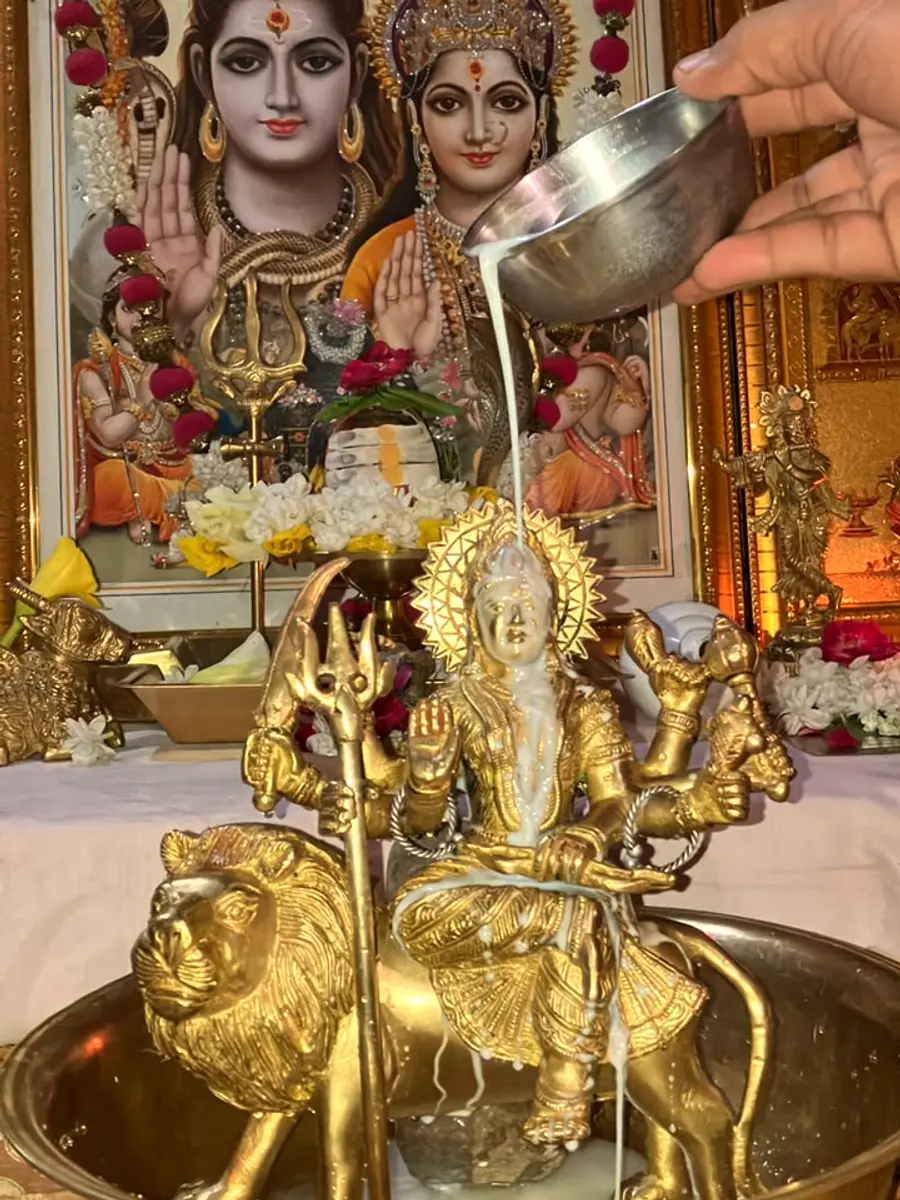
Vedic scriptures prescribe Yagyas as one of the principal remedial practices for harmonising karmic influences, strengthening positive karmic tendencies, and cultivating inner peace. Personal Yagyas may be arranged according to individual birth charts and spiritual needs, including Rudrabhishekam – the sacred abhishekam offering to Lord Shiva.
Yagyas We Perform


Participation is available both in person at Lakshmi Narayan Ashram in Prayagraj and remotely through Sankalpa (personal intention), allowing devotees from around the world to receive the blessings of these sacred Vedic ceremonies.
Monthly Yagya Calendar
The Ashram follows the traditional Vedic lunar calendar throughout the year. Sacred observances are organised according to lunar phases, planetary movements, Ekadashi, Purnima, Amavasya, Sankranti, and other important festivals described in the Vedic tradition. Visitors may explore the monthly calendar, learn about the significance of each observance, and register to participate either in person or remotely.
September 2026
4 September
Krishna Janmashtami / Krishna Mahayagya
Celebrating the birthday of Lord Shri Krishna and balancing all nine planets (Navagraha), enlivening skill in action, spiritual progress, and freedom from obstacles.
Kalashtami / Durga Yagya
Monthly worship of Goddess Durga, carrying the energies of Mars, Venus, and Saturn, bringing fullness of life, mental peace, harmony in marriage, and protection from illness.
7 September
Aja / Jaya Ekadashi / Vishnu Yagya
A sacred Ekadashi dedicated to Lord Vishnu, carrying the energy of Jupiter, supporting overall progress, spiritual growth, and favourable outcomes in legal matters.
8 September
Bhauma Pradosh / Rudra Yagya
Pradosha Tithi falling on a Tuesday, carrying the energies of the Moon, Mars, and Saturn, supporting spiritual and material progress and the removal of resistances and problems.
9 September
Masik Shivaratri / Shiva Yagya
The monthly Night of Lord Shiva, carrying the energies of the Moon, Mercury, and Saturn, promoting overall progress and the removal of resistances and obstacles.
11 September
Kushotpatani Amavasya / Shraddha, Pitra Yagya
A sacred New Moon for honouring ancestors, balancing all nine planets (Navagraha), removing Pitru Dosha, and inviting blessings of peace, prosperity, and harmony for present and future generations.
13 September
Hartalika Teej / Parthweshwar Yagya
Traditionally observed by women, honouring Lord Shiva and Goddess Parvati for the long life and well-being of the husband or partner, marital harmony, and a loving, suitable life companion.
14 September
Shri Ganesha Chaturthi / Mahaganpati Yagya
The auspicious birthday of Lord Ganesha, balancing all nine planets (Navagraha), removing obstacles in personal, family, professional, and spiritual life, and bringing wisdom, prosperity, and success in new beginnings.
17 September
Vishwakarma Jayanti / Vishvakarma Yagya
Honouring Lord Vishwakarma, the divine architect, carrying the energies of Mars and Venus, supporting success in one’s work, safe working conditions, and smooth functioning of tools, machines, and livelihood.
19 September
Durgashtami / Durga Yagya
Monthly Ashtami dedicated to Goddess Durga, carrying the energies of Mars, Venus, and Saturn, invoking protection, peace of mind, harmony in marriage, and success in education and society.
22 September
Parsva / Padhma Ekadashi / Vishnu Yagya
A sacred Ekadashi dedicated to Lord Vishnu, carrying the energies of the Moon and Jupiter, purifying past karma and bestowing merit, prosperity, and inner happiness.
24 September
Budha Pradosh / Rudra Yagya
Pradosha Tithi falling on a Wednesday, carrying the energies of the Moon and Mercury, supporting spiritual and material progress and the removal of resistances and problems.
26 September
Bhadrapada Purnima / Narayan Yagya
A sacred Full Moon dedicated to Lord Narayan (Vishnu), carrying the energies of Mercury, Jupiter, and Venus, bringing prosperity, good health, good fortune, and freedom from negativity.
27 September
Pitra (Mahalaya) Paksha Begins
A fortnight-long period of remembrance for departed ancestors begins, balancing all nine planets (Navagraha) and inviting blessings of health, wealth, and happiness through Shraddha, Tarpan, and prayer.
This calendar follows the Ashram’s traditional Vedic lunar calendar and is updated each month to reflect the current observances.
Registration
Participation in Yagyas, Homas, and other Ashram activities is arranged directly via WhatsApp. After your registration has been received, you will receive detailed information regarding the ceremony, preparation guidelines, and, where applicable, instructions for remote participation through Sankalpa – the Vedic tradition of offering prayers on behalf of a devotee who is unable to be physically present.
You are welcome to contact us via WhatsApp regarding registration for Yagyas, choosing the appropriate Yagya according to your birth chart, and upcoming festivals and ceremonies.